
India trade corridors — duty, FTA and shipping by destination.
The export and import playbook for every major trade lane — duties, docs, transit time, opportunities.
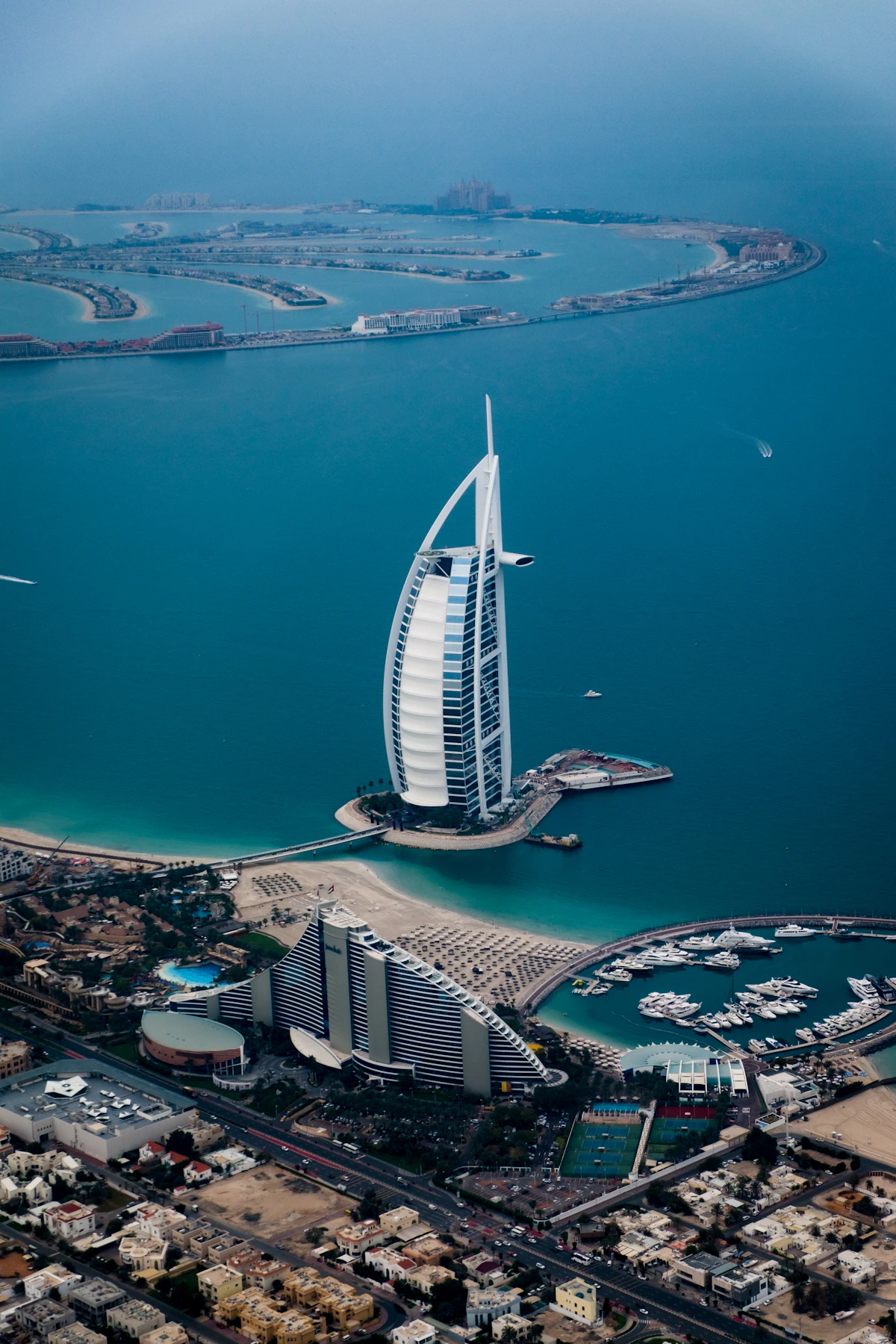
India → UAE
India ↔ UAE · $85B+ bilateral trade · CEPA preferential

India → USA
India ↔ USA · $190B+ bilateral · Largest export destination

India → Australia
India ↔ Australia · ECTA delivers 0% duty on 96% of Indian exports

India → Armenia
India ↔ Armenia · Caucasus gateway · EAEU re-export potential
Any other trade corridor
Any origin → any destination. Duty, FTA, documents, buyers. Built on demand.
The paperwork is lane-specific, and so is the saving
Duty is the number everyone looks at first, but on most lanes the money is lost or saved in documentation. A preferential tariff under a trade agreement is only available if your goods satisfy that agreement's rules of origin and you present a valid origin certificate at clearance. Miss the paperwork and you pay the full applied rate on goods that technically qualified.
Each corridor page therefore puts the export process, the import clearance process, the customs regime, the duty and tax treatment, the document set and the logistics profile on one page — for one specific origin-destination pair, because none of those are transferable between lanes.
Rates referenced on corridor pages trace back to World Bank WITS / UNCTAD TRAINS, and product-level demand to OEC World / CEPII BACI. For the exact rate on your article, use the Duty Calculator with your 6-digit HS code rather than a corridor-level generalisation.
Frequently asked questions
What is a trade corridor page for?
A corridor is one origin and one destination treated as a single operating problem: how goods leave, how they clear on arrival, which documents travel with them, what duties and taxes apply, and what the realistic transit time and mode are. It is the operational layer that sits under any product decision.
How is a corridor different from a country profile?
A country profile describes one market. A corridor describes the movement between two — including the trade agreement that governs it, the origin documentation that agreement demands, and the clearance steps on both sides. Two exporters shipping the same product into the same country from different origins face different corridors.
Which corridors are published?
The major India lanes are published today, including India to the UAE, the USA, Australia and Armenia. Each one links to every product-market export guide we hold for that destination, so you can move from the corridor mechanics straight to the duty and demand numbers for your specific product.
Does a corridor page tell me my duty?
It tells you the duty and tax regime that governs the lane. The exact rate is HS-code specific, so use the Customs Duty Calculator with your 6-digit code and the corridor's origin and destination — that returns the applied MFN rate and any preferential rate from World Bank WITS / UNCTAD TRAINS.
Can I use these for import rather than export?
Yes. Every corridor page sets out both the export process on the origin side and the import clearance process on the destination side, because one party's export problem is the counterparty's import problem and most disputes come from one side not reading the other's half.
Your global trade
command center.
Check real import duty by HS code, build the full FOB → CIF → landed-cost waterfall, size real import demand by market and reach verified buyers across 32 countries — all in your browser, nothing to install.